Tibetan Thangka vs Nepalese Paubha: Understanding the Differences in Art, Style and Tradition
By Nepathangka Editorial, Editorial Team
, 6 min read
Explore the unique differences between Tibetan Thangka and Nepalese Paubha paintings, from their origins and artistic techniques to colours, symbolism and cultural heritage.
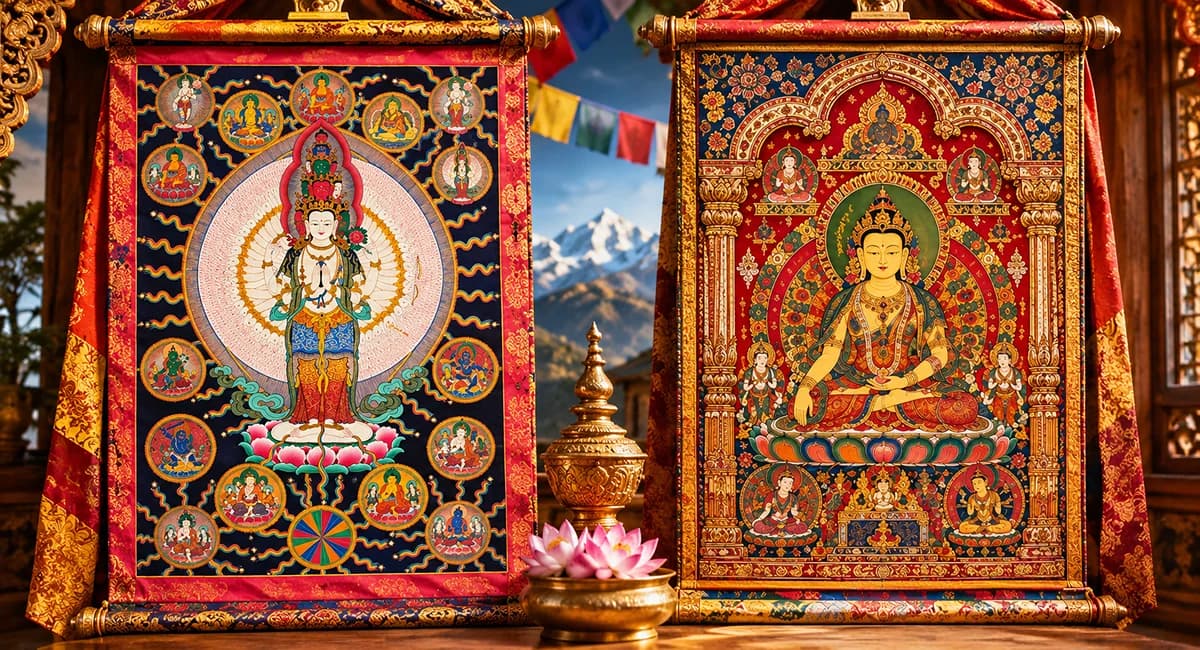
Explore the fascinating differences between Tibetan Thangka and Nepalese Paubha paintings. Discover their unique origins, artistic styles, colours, spiritual symbolism and cultural traditions that make these two Himalayan art forms truly special.
The Himalayan region is home to some of the world's most beautiful traditional art forms. Among them, Tibetan Thangka and Nepalese Paubha paintings hold a special place because of their religious significance, intricate craftsmanship and cultural history. Although these two art forms share many visual similarities, each has its own artistic identity, traditions and historical background.
Both painting styles commonly feature Buddhist deities, sacred symbols, mandalas and spiritual narratives. Their detailed compositions and vibrant colours reflect generations of artistic knowledge passed down through traditional workshops.
Understanding the differences between Tibetan Thangka and Nepalese Paubha helps art lovers appreciate the cultural importance of each tradition and recognize the unique techniques used by Himalayan artists.
Learn more about the history of Thangka painting and discover how Nepalese and Tibetan artistic traditions influenced each other.
What Is Tibetan Thangka Painting?
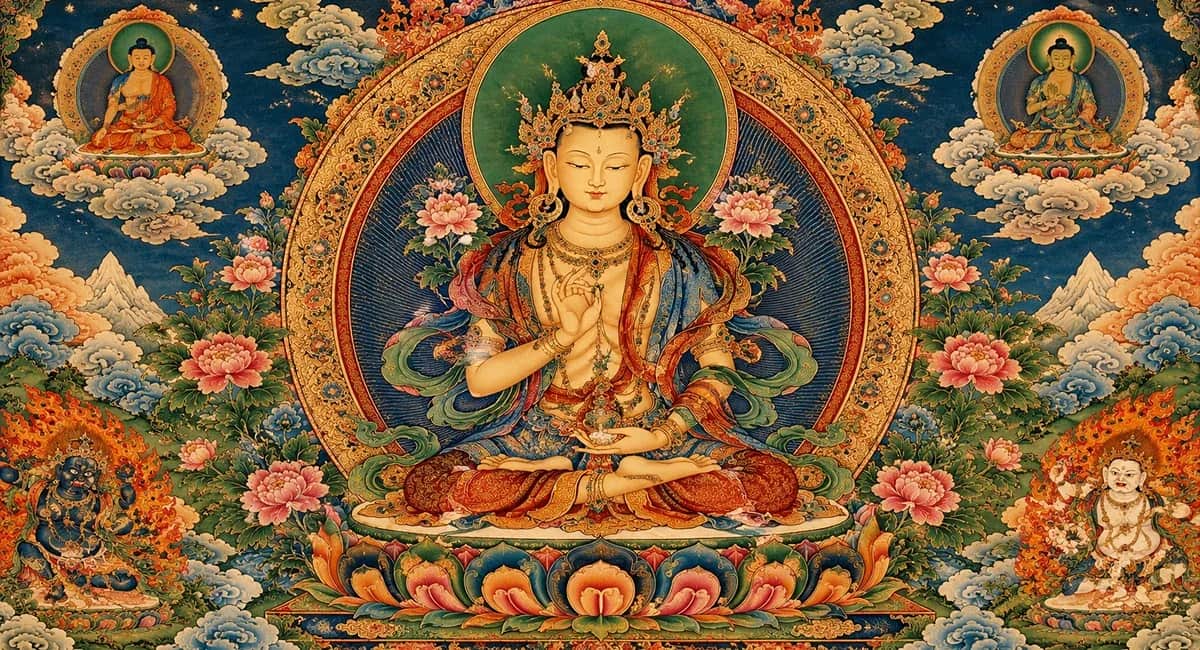
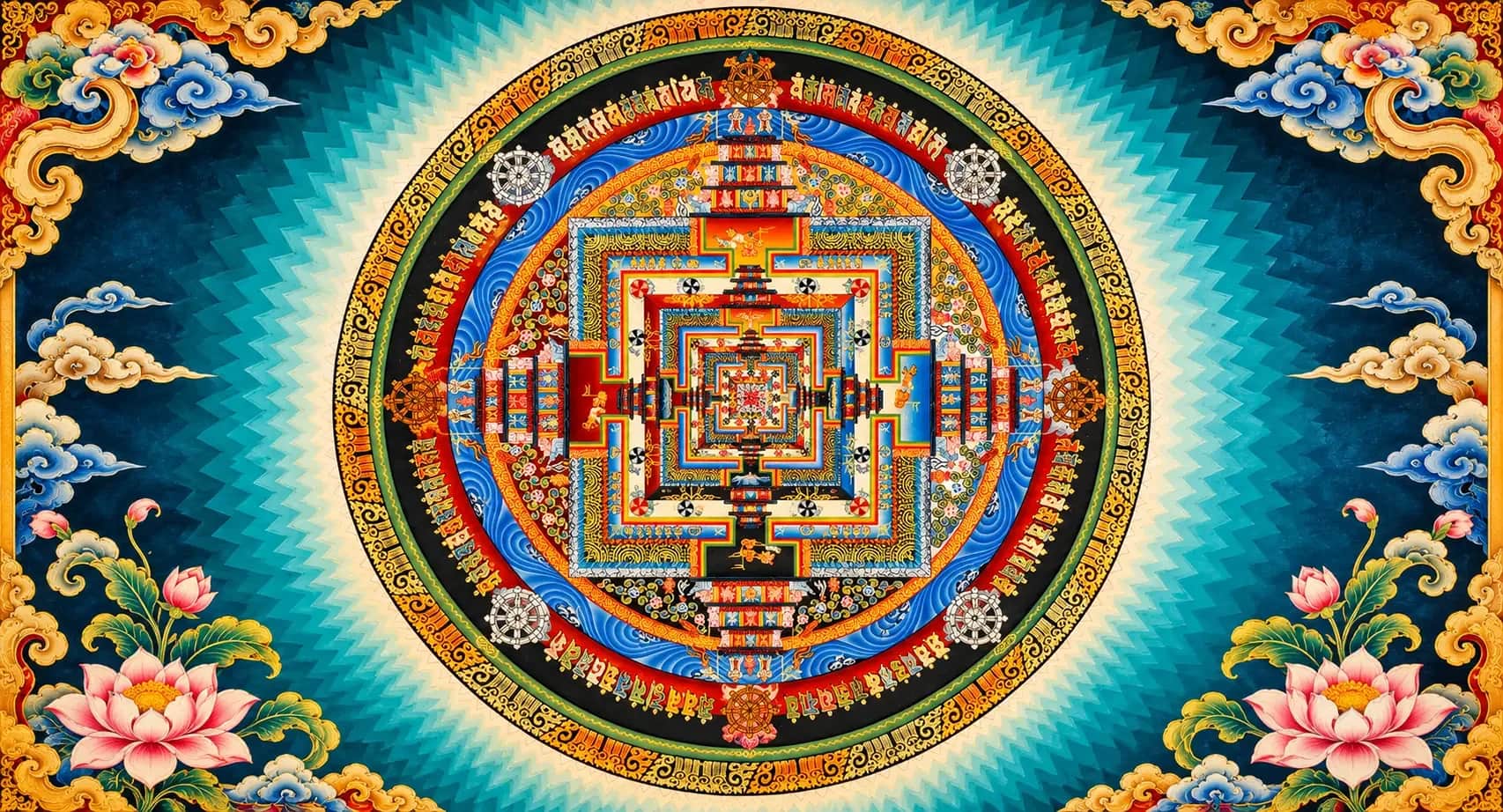
Tibetan Thangka is a traditional Buddhist painting created on prepared cotton or silk fabric. These paintings generally represent Buddhas, Bodhisattvas, spiritual teachers, mandalas and important Buddhist teachings.
Thangkas are known for their carefully planned compositions and detailed religious symbolism. Every element, from the position of a deity to the colours and hand gestures, can communicate a particular spiritual meaning.
Traditionally, Thangkas are mounted with decorative textile borders and designed to be rolled up for transportation. They are commonly displayed in monasteries, meditation spaces and homes.
Different Tibetan painting schools have developed their own artistic characteristics. For example, the Menri school is known for its balanced compositions, while Karma Gadri paintings often feature spacious landscapes and natural scenery.
What Is Nepalese Paubha Art?
Paubha is a traditional sacred painting style associated with the Newar community of the Kathmandu Valley in Nepal.
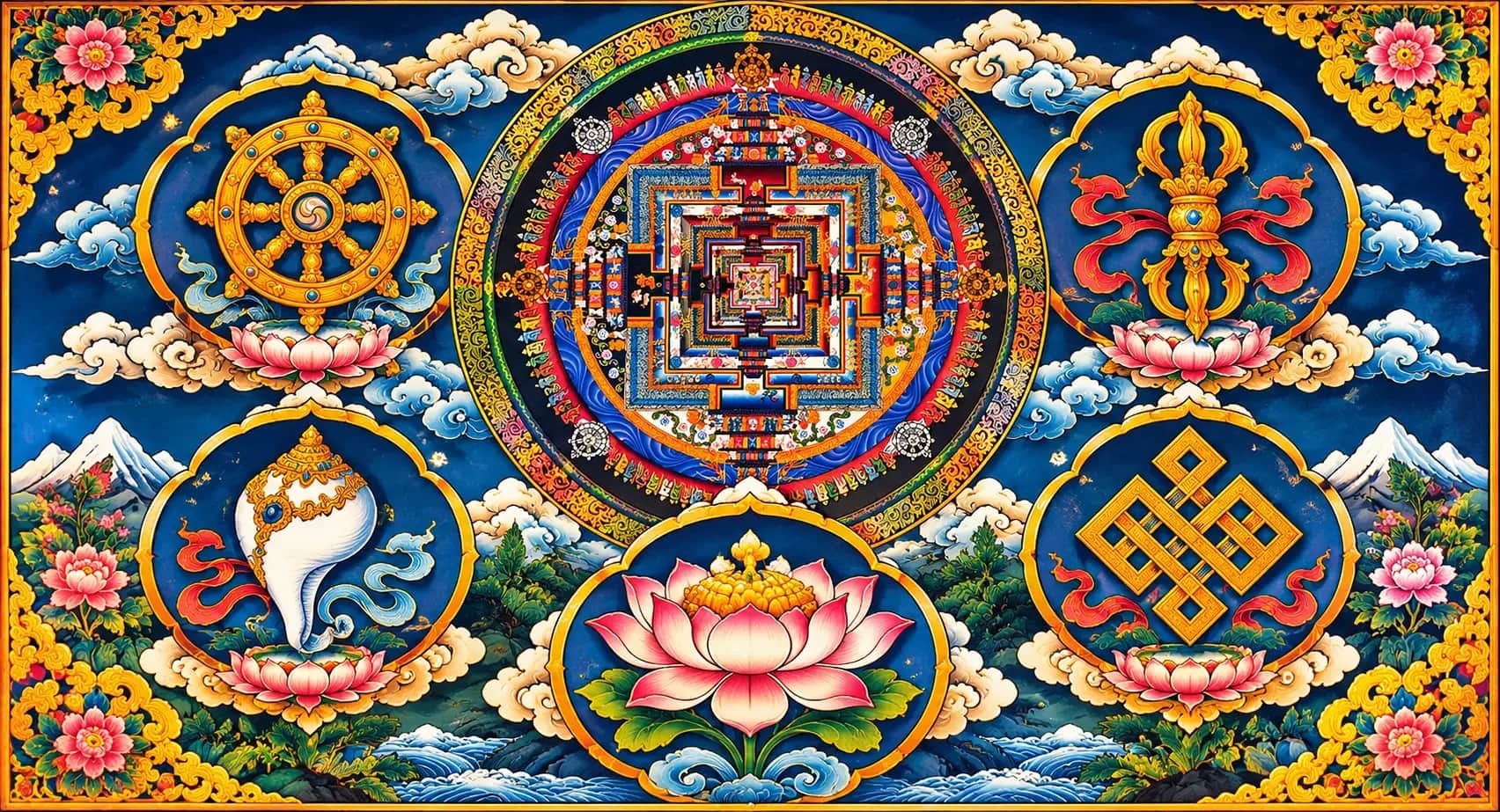
The word Paubha refers to a traditional religious painting, usually created on cloth. These artworks commonly represent Buddhist and Hindu deities, mandalas, sacred symbols and religious stories.
Newar artists have preserved this tradition through generations, developing highly detailed painting techniques and distinctive decorative arrangements.
Paubha paintings are often recognized by their symmetrical compositions, intricate patterns, strong outlines and rich colours. Gold detailing and decorative backgrounds are also important features of many traditional examples.
Unlike Tibetan Thangka, which is primarily associated with Tibetan Buddhist traditions, Paubha reflects the wider religious and cultural heritage of Nepal's Newar community.
Tibetan Thangka vs Nepalese Paubha: Key Differences
Although both art forms are connected through Himalayan Buddhist history, several features help distinguish them.
1. Historical and Cultural Origins
Tibetan Thangka developed within Tibetan Buddhist communities and reflects the influence of different Himalayan artistic traditions.
Nepalese Paubha developed in the Kathmandu Valley and is closely connected with Newar culture, traditional religious practices and local artistic communities.
Newar artists also played an important role in the development of Tibetan sacred painting through centuries of cultural exchange.
2. Artistic Composition
Traditional Paubha paintings frequently feature highly organized and symmetrical compositions. The main deity is often positioned centrally, surrounded by smaller figures, decorative elements and ornamental patterns.
Tibetan Thangka paintings also use carefully structured compositions, but their appearance varies according to the artistic school and subject. Some include elaborate landscapes, mountains, clouds and spacious backgrounds.
3. Colours and Visual Appearance
Colour is an important feature of both traditions.
Paubha paintings often feature deep reds, blues, gold and carefully arranged decorative details. Their compositions can appear dense and richly ornamented.
Tibetan Thangka paintings use a wide range of colours, including red, blue, green, white and yellow. Gold is also used in many traditional examples to highlight sacred figures and ornamental details.
However, colour alone cannot determine whether a painting is Tibetan or Nepalese because both traditions share many artistic influences.
4. Religious Subjects and Symbolism
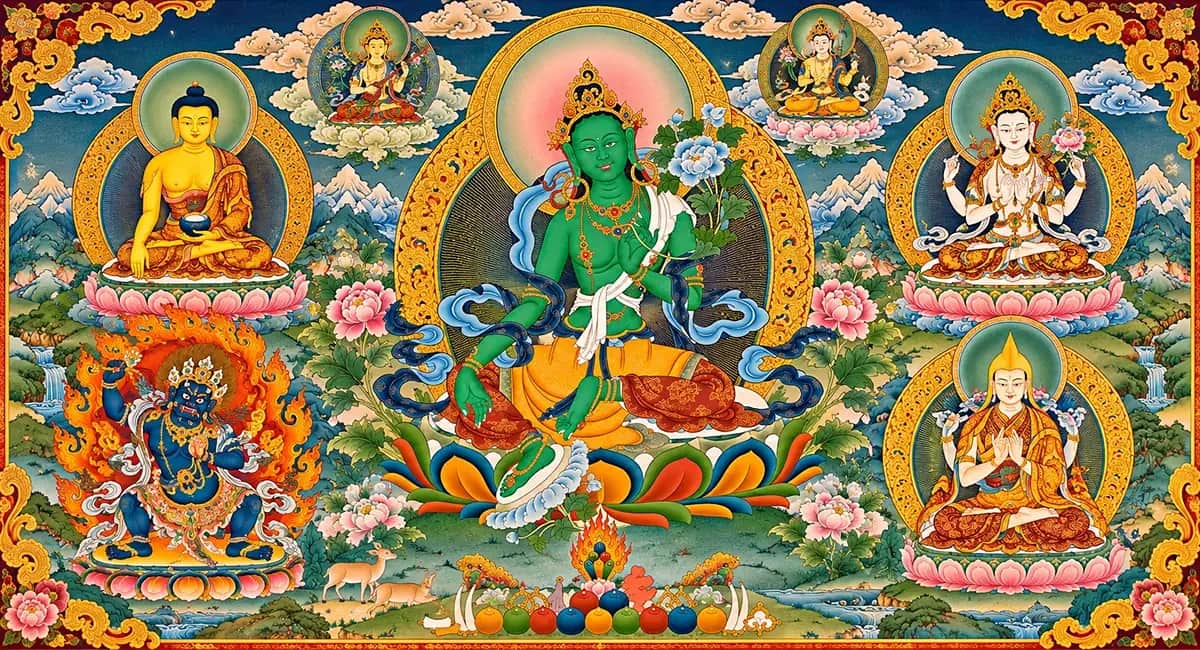
Tibetan Thangka paintings primarily represent Tibetan Buddhist subjects, including Shakyamuni Buddha, Green Tara, Avalokiteshvara, Medicine Buddha and various Vajrayana deities.
Paubha paintings include Buddhist subjects as well as Hindu deities and sacred narratives. This reflects the diverse religious environment of the Kathmandu Valley.
Both traditions use symbolic gestures, sacred objects and carefully arranged figures to communicate spiritual ideas.
You can also explore what Thangka paintings are used for to understand their importance in meditation, Buddhist teaching and spiritual practices.
Traditional Materials and Painting Techniques
Creating a traditional Thangka or Paubha painting requires patience, technical knowledge and considerable artistic skill.
The process generally begins with preparing a cloth surface. Artists stretch the fabric, apply a suitable ground and create a smooth surface for painting.
The main stages include:
- Preparing and stretching the painting cloth.
- Applying a ground layer to create a suitable surface.
- Drawing the composition using traditional proportions.
- Painting the main figures and background.
- Adding decorative patterns and fine details.
- Completing outlines and gold embellishments where appropriate.
Traditional artists have used mineral and other natural pigments, although materials can vary between workshops and historical periods.
The quality of a finished painting depends on the artist's understanding of traditional proportions, colour relationships, religious symbolism and fine detailing.
The Historical Connection Between Thangka and Paubha
The relationship between Tibetan Thangka and Nepalese Paubha is an important part of Himalayan art history.
Newar artists from Nepal were highly respected for their painting, sculpture and craftsmanship. Many travelled to Tibet and contributed to religious art projects.
Their influence helped shape Tibetan painting traditions, particularly the development of the Beri style, which became important between the 13th and 15th centuries.
Over time, Tibetan artists developed their own distinctive painting schools and techniques while continuing to maintain connections with neighbouring artistic traditions.
Meanwhile, Paubha painting continued to develop within the Kathmandu Valley, preserving the cultural identity and craftsmanship of Newar communities.
This historical exchange explains why the two traditions share several visual characteristics.
How to Identify Tibetan Thangka and Nepalese Paubha Paintings
For someone exploring traditional Himalayan art, recognizing the differences can be an interesting learning experience.
Here are a few things to observe:
Composition: Look at how the central deity and surrounding figures are arranged. Paubha paintings often feature highly symmetrical decorative layouts.
Background: Study the surrounding patterns, landscapes, architectural details and ornamental elements.
Religious Imagery: Identify the figures, deities and sacred symbols represented in the artwork.
Inscriptions: Historical inscriptions and donor details can sometimes provide information about a painting's origin and background.
Artist Background: Information about the artist, workshop and artistic lineage can offer valuable clues about the painting's tradition.
These characteristics are useful guidelines rather than strict rules. Since both traditions influenced each other, visual appearance alone may not always establish the origin of an artwork.
Why These Traditional Art Forms Are Important
Tibetan Thangka and Nepalese Paubha are more than decorative paintings. They preserve important cultural knowledge, religious traditions and artistic practices.
Thangka paintings have traditionally supported Buddhist teachings, meditation and religious ceremonies. They also help communicate spiritual stories through visual imagery.
Paubha paintings preserve the artistic heritage of the Newar community and reflect the religious diversity of Nepal.
Both traditions demonstrate the importance of handmade craftsmanship and the dedication required to maintain traditional painting techniques.
Learning about these artworks also encourages appreciation for the artists who continue to preserve Himalayan sacred art.
Choosing Between Tibetan Thangka and Nepalese Paubha
Choosing between these two art forms depends on your interests and appreciation of their cultural backgrounds.
If you are interested in Tibetan Buddhist iconography, traditional monastery artwork and different Tibetan painting schools, Thangka paintings may appeal to you.
If you appreciate Newar cultural heritage, detailed symmetrical compositions and Nepalese Buddhist or Hindu imagery, Paubha paintings may be particularly interesting.
Before purchasing a traditional painting, consider its subject, materials, artistic quality, origin and the experience of the artist.
Understanding the cultural background of an artwork can make the experience of owning or appreciating it much more meaningful.
Explore the Nepathangka collection to discover traditional Himalayan paintings and handcrafted sacred artwork.
Conclusion
Tibetan Thangka and Nepalese Paubha represent two remarkable yet closely connected traditions of Himalayan sacred art. Their differences can be understood through their cultural origins, religious subjects, artistic compositions, colours and historical development.
While Tibetan Thangka reflects the rich heritage of Tibetan Buddhism, Nepalese Paubha preserves the distinctive artistic identity of the Newar community.
Both deserve appreciation for their intricate craftsmanship, spiritual symbolism and contribution to Himalayan cultural heritage. Exploring these traditions offers a deeper understanding of the art, history and creativity that continue to inspire artists and collectors around the world.
Visit About Nepathangka to learn more about the artisans and the heritage behind traditional Himalayan art.
Explore the Beauty of Traditional Himalayan Art
Explore Our CollectionFrequently asked questions
Answers to the questions readers ask most about this topic.
Tibetan Thangka is primarily associated with Tibetan Buddhist traditions, while Nepalese Paubha is rooted in Newar culture and includes both Buddhist and Hindu religious subjects.
Yes. Both traditions use prepared cloth, detailed drawings, traditional proportions and carefully applied colours. However, their artistic styles and decorative approaches can differ.
Their similarities come from centuries of cultural exchange, shared Buddhist imagery and the historical influence of Nepalese Newar artists on Tibetan painting traditions.
Yes. Paubha paintings can depict both Buddhist and Hindu deities, reflecting the religious diversity of the Kathmandu Valley.
Consider the painting's artistic details, materials, iconography, craftsmanship, origin and the background of the artist. Provenance and reliable documentation can also help establish authenticity.
About the author: Nepathangka Editorial
Editorial Team
The Nepathangka editorial team writes about thangka painting, Buddhist iconography and Himalayan craft. We work with the painters and metalworkers in Nepal whose pieces we sell, and every guide is checked with the artisans before it goes live.